

What changes occur in the skin after a burn
Skin burns are a systemic process. The deeper the layers affected, the more complex the changes that occur.
Degrees of burns:
- First degree – only the superficial layer (epidermis) is affected. Typically a sunburn, with mild redness and pain.
- Second degree – both the epidermis and dermis are affected. Blisters, swelling, and intense pain appear. When larger areas are involved, the condition can become life-threatening.
- Third degree – all layers are affected, sometimes including underlying tissues such as tendons, muscles, and bones. This is a life-threatening condition.
What are the consequences
Burns can lead to:
- Necrosis – death of tissue due to the destruction of cellular proteins.
- Edema and fluid loss – due to increased vascular permeability.
- Inflammatory response – release of mediators and free radicals that damage additional cells.
- Infections – local tissue damage weakens the immune defense.
- Systemic response – in severe cases, vital organs may be affected.
Recovery
Recovery проходит through three stages.
- Inflammation
- Proliferation (growth of new cells and tissues)
- Remodeling
From second-degree burns onward, scars often remain, causing not only aesthetic concerns but also physical discomfort.
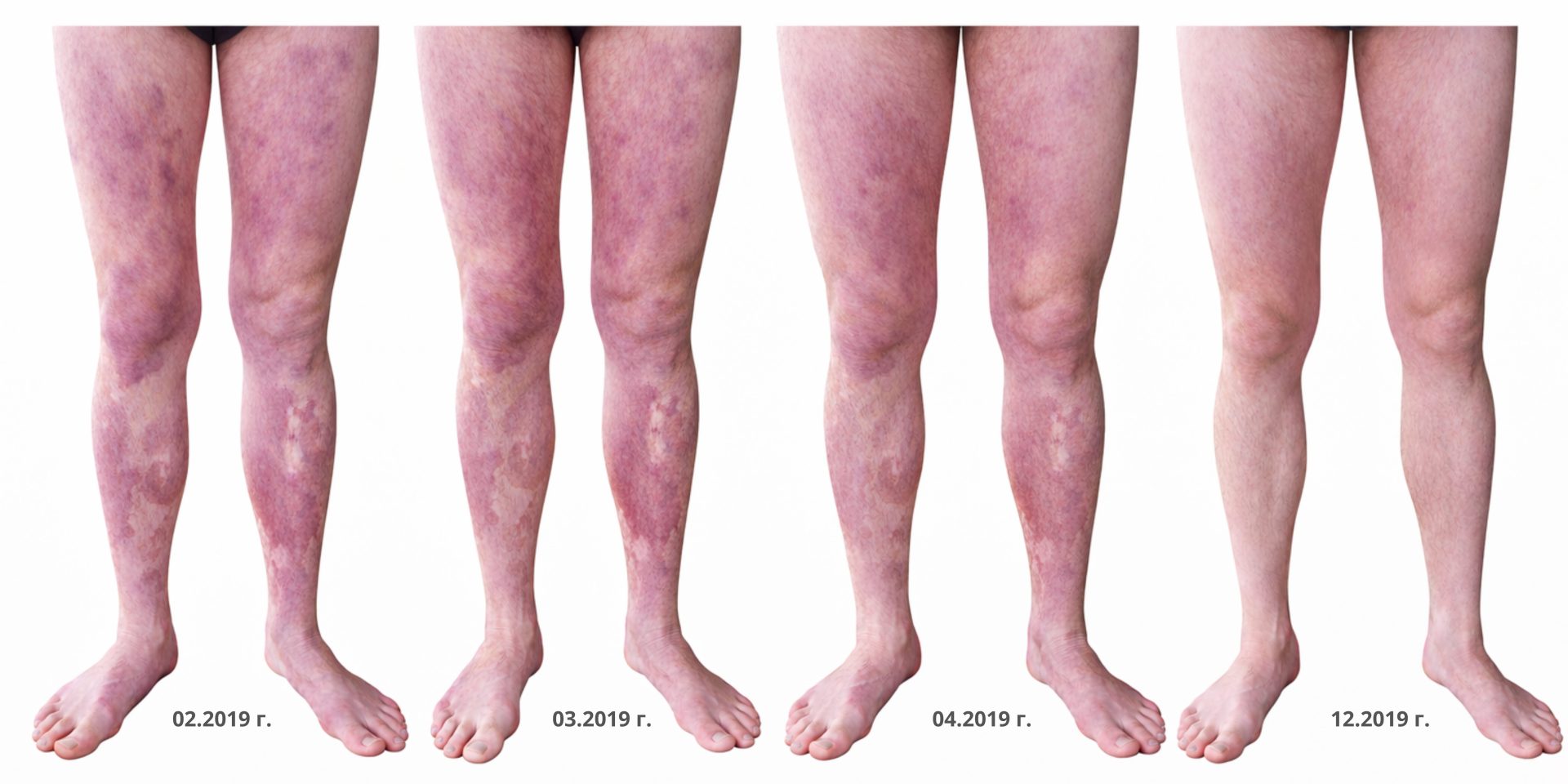
Approach at Regenics Medical
At Regenics Medical, we perform a comprehensive analysis of the affected tissues and the patient’s overall condition.
- In severe burns, life-saving measures are the top priority in specialized centers.
- Regenics Medical takes part in the recovery phase, with a strong focus on preventing complications and long-term damage.
Gentle therapies for skin recovery
Therapies at Regenics Medical focus on activating the body’s natural repair mechanisms while protecting the skin and minimizing discomfort:
-
Endoret® (PRGF – Plasma Rich in Growth Factors): used as a regenerative serum for sunburn, as well as for filling deeper defects with fillers and membranes derived from the patient’s own plasma.
-
PlasmaOne™: cold atmospheric plasma that improves blood circulation and protects the area from infections without the need for antibiotics.
-
Fletech™: LED light combined with a photoconverter gel. It accelerates epithelialization (wound closure) and reduces inflammation.
What sets the approach at Regenics Medical apart
- Non-invasive or minimally invasive methods
- Alignment with the body’s physiological principles
- Activation of tissue proliferation and regeneration
- Improvement of blood circulation
- Reduction of the risk of infections
- Prevention of scarring
- Short recovery period (2–3 days)
- No significant side effects
Duration and recovery
- The duration of a single therapy: 45 minutes to 1.5 hours
- When techniques are combined, the duration is extended.
- Recovery usually takes 2–3 days, and rarely up to a week.
- The full recovery process depends on the depth of the burn—from a few days to several months, and in severe cases up to a year.
Frequently Asked Questions (FAQ)
What are the first steps after a burn?
In more severe burns, emergency medical care should be sought first. Regenics Medical takes part in the recovery phase.
Can scarring be prevented?
Yes. With timely treatment using Endoret®, Fletech™, and PlasmaOne™, scarring can be significantly reduced.
Are the procedures suitable for sunburn?
Yes. In such cases, Endoret® serum supports rapid recovery and helps protect the skin from long-term damage.
Is there pain after the procedures?
No. The therapies are gentle and minimally invasive.
How long does recovery take?
Usually 2–3 days; for deeper burns, several weeks to months.